
What is your favorite sweet? Rasgolla, Ladyni, Chamchom, soft or hard, any of the sandeshes? Well, if these are your favorite sweets, let me tell you that none of these are Bengali or Bengali sweets that have been aroudn since ancient times. Are you surprised?

If you had served these sweets to a Hindu Bengali three or four years ago, he would have througn the plate and gone into the Ganges. I will tell you why. Along with this, in this episode, I will tell you the story of Bengali's own sweets that have been around since ancient times.
why Sandesh, Rosogollas are not Bengal's Traditional Sweets:
Sandesh Origins:

- The word sandesh appears in old Bengali literature (14th-15th century), but back then it was not made with chhena(cottage cheese).
- Traditional Bengali sweets were made from Kheer, Jaggery, rice, or lentils, because in ancient India, Milk curdling(breaking milk into chhena) was considered impure.
- The cheena-based Sandesh we know today was introduced only after the Portuguese arrived in Bengal in the 16th century. They taught locals how to make cheese by curdling milk with acidic agents(lime/lemon).
- So, modern Sandesh(with chhena) is a post-Portuguese creation, not an ancient Bengal tradition.
Rosogolla Origins:

- Rosogolla is even more modern. It was invented in the 19th century(1868) by Nobin Chandra Das in Kolkata.
- Before that, there was no sweet like rasgulla in Bengal.
- Odisha, on the other hand, has its own rasagola tradition(offered to Lord Jagannath during Rath Yatra), but Bengal's soft, spongy, syrupy rosogolla is a modern culinary innovation, not a centuries-old Bengali sweet.
The use of chhena (cottage cheese, curdled milk) in Bengal is actually quite late in history.
Ancient Bengal (before 16th century):
-
Milk was considered sacred, and curdling it (breaking it with lemon, tamarind, etc.) was seen as impure and even a religious sin in Hindu culture.
-
That’s why all traditional sweets were made from kheer (thickened milk), rice, coconut, and jaggery — not chhena.
-
-
Arrival of the Portuguese (16th century, around 1517 onward):
-
Portuguese settlers in Bengal (mostly in Hooghly, Bandel, and Chinsurah) brought the technique of making soft cheese by curdling milk with acidic agents.
-
They used it for their own recipes, but local sweet-makers (moiras) quickly adopted the technique.
-
This is when chhena entered Bengal’s sweet-making tradition.
-
-
16th–17th century:
-
The first chhena-based sweets like Sandesh evolved, though they were very simple at the beginning.
-
Over time, moiras experimented with chhena, sugar, and jaggery, making it the base of many new sweets.
-
-
19th century:
-
By now, chhena had become the foundation of iconic sweets like Rosogolla (1868, Nobin Chandra Das), Chamcham, Rajbhog, etc.
Traditional Sweets of Bengal (Pre-Chhena Era):
1. Pithe / Puli
-
Seasonal sweets made during winter, especially for Poush Sankranti.
-
Made from rice flour, coconut, khoya, jaggery.
-
Variants: Dudh Puli, Patishapta, Bhapa Pithe, Gokul Pithe.

2. Payesh (Rice Kheer)
-
Rice cooked slowly in milk, flavored with cardamom, sweetened with gur (jaggery) or sugar.
-
Served during birthdays, rituals, and pujas.

3. Naru
-
Round laddoo-like sweet.
-
Narkel Naru → coconut & jaggery.
-
Til Naru → sesame & jaggery.
-
Popular during Lakshmi Puja and Diwali.
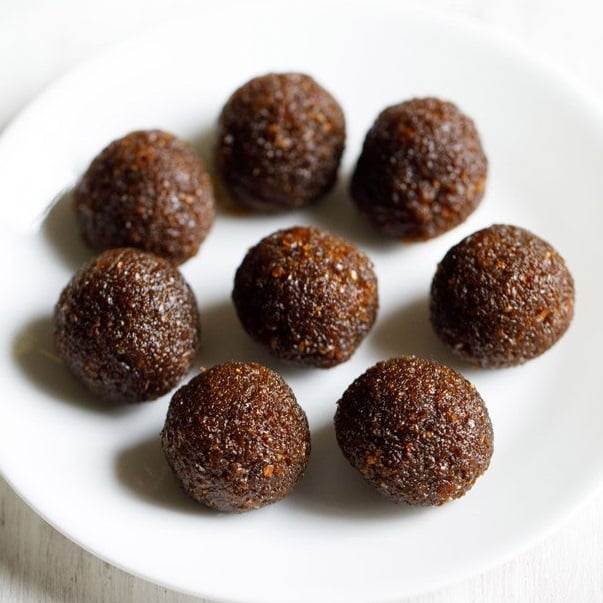
4. Moong Dal’er Halwa / Muger Daler Halua
-
Sweet made with moong dal, ghee, sugar, cardamom.
-
A festive preparation.

5. Chirer Puli / Chirer Payesh
-
Made from flattened rice (chire), coconut, and jaggery.
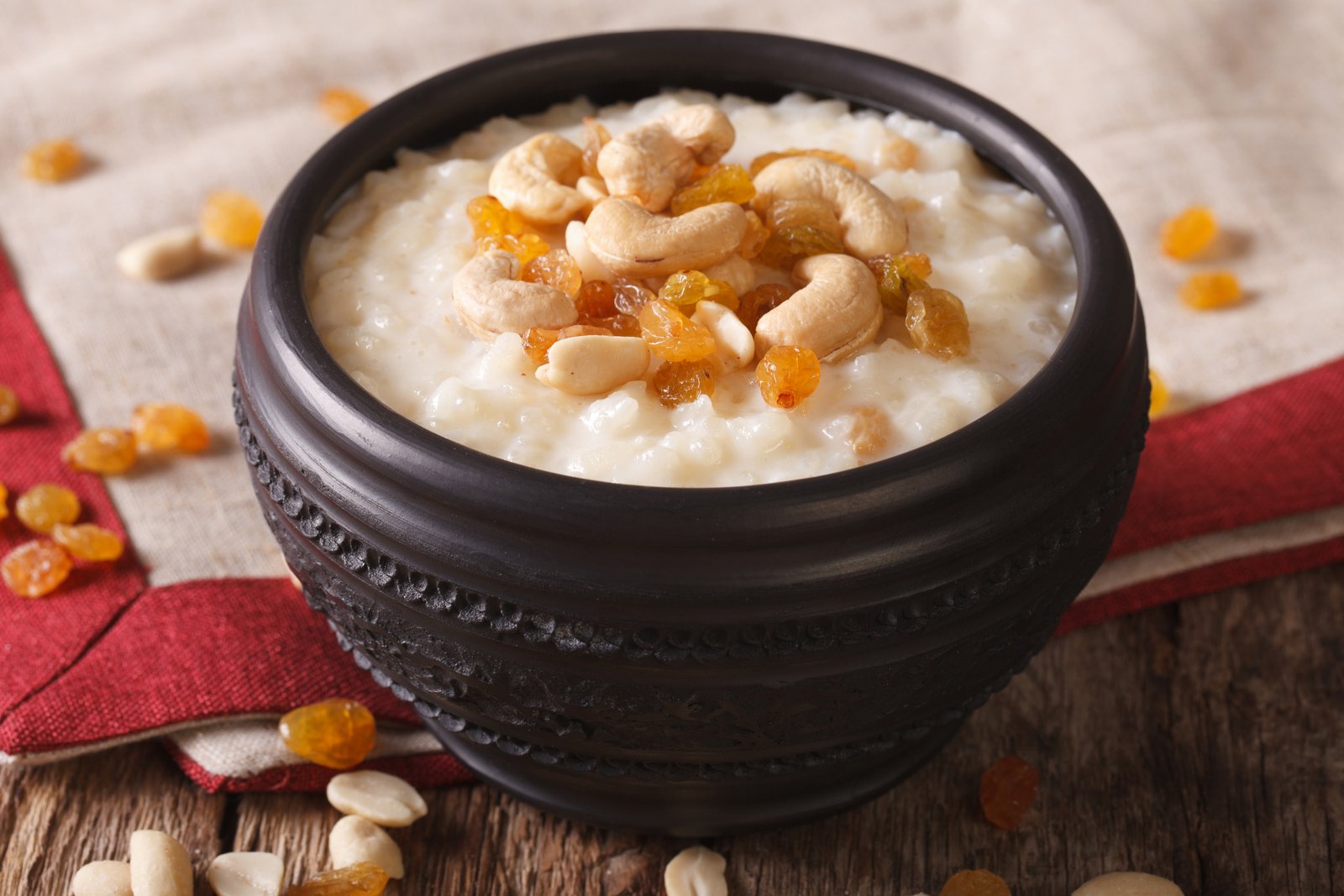
6. Moya
-
Made with puffed rice (muri, khoi) bound together with jaggery.
-
Especially famous in Joynagar er Moya (still made in winter).

7. Khaja & Labanga Latika (early forms)
-
Layered sweet fried and dipped in sugar/jaggery syrup.
-
Labanga latika is stuffed with coconut/jaggery filling, sealed with a clove.

Wowww greattt website...informative
ReplyDeletethank you so much for reading 😁😁
Delete